Tossing and turning until three in the morning is a frustrating routine. Staring at the ceiling, calculating how many hours of sleep are left before the alarm goes off, only makes the mental clock tick louder. For anyone dealing with occasional restless nights, the supplement aisle offers endless options: capsules, gummies, teas, and tinctures.
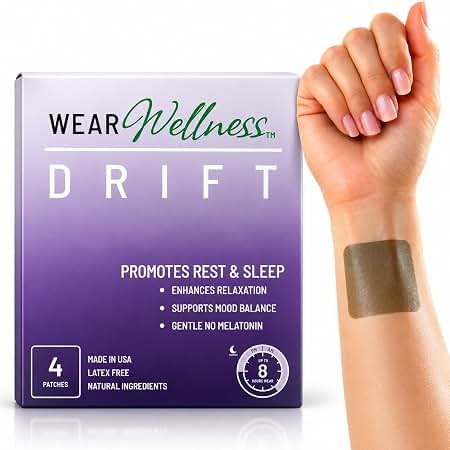
Lately, however, a different format has started gaining traction. Topical sleep patches, such as Driftly sleep patches, have emerged as a drug-free alternative to traditional nighttime aids. Instead of swallowing a pill, you simply peel and stick a small patch onto your skin before bed.
The concept sounds convenient, but do transdermal sleep patches actually work, or are they just another wellness trend? As an independent consumer researcher and journalist, I took a closer look at how these products function, what ingredients they rely on, and whether they fit into a realistic sleep routine.
What are Driftly Sleep Patches?
Driftly sleep patches are drug-free transdermal or film patches formulated to promote rest and relaxation. Rather than requiring oral digestion, these thin adhesive strips are designed to deliver a blend of botanical extracts and wellness compounds directly through the skin over the course of the night.
The product targets individuals who struggle to wind down after a high-stress day, experience difficulty falling asleep smoothly, or want an alternative to oral sleep supplements that can sometimes leave a heavy feeling the next morning.
How Do They Work?
The mechanics behind sleep patches rely on transdermal delivery. When a substance is applied to the skin in a patch format, it bypasses the digestive tract and first-pass liver metabolism. Instead, the active compounds are absorbed slowly through the skin barrier into the local microcapillaries, allowing for a steady, sustained release over several hours.
Traditional sleep aids often trigger a sudden peak in concentration shortly after ingestion, which then wears off. In contrast, a time-released patch aims to provide a continuous, low-level supply of calming agents throughout the night. This gradual delivery is intended to support the body’s natural transition into deep sleep without causing abrupt physiological shocks.
Ingredients and Features Breakdown
While specific proprietary formulas vary across topical sleep brands, most patches in this category rely on a combination of well-known, plant-based relaxants and compounds traditionally used to ease nervous tension.
1. Melatonin
Many sleep patches incorporate a micro-dose of melatonin, the hormone responsible for signaling to the body that it is time to rest. Transdermal delivery allows for a gentle, continuous trickle rather than a sudden surge.
2. Valerian Root Extract
Valerian root has a long history in herbal traditions as a natural sedative. It is commonly used to quiet an overactive mind and reduce the time it takes to drift off.
3. Passionflower and Chamomile
These botanical extracts are recognized for their mild calming properties. They work synergistically to soothe nervous tension and physical restlessness without heavy pharmaceutical sedation.
4. Magnesium
Often called nature’s muscle relaxant, magnesium helps ease physical tension in the body, making it easier to settle into a comfortable sleeping posture.
Benefits and Practical Use Cases
Integrating a sleep patch into an evening routine offers a few distinct practical advantages over traditional formats.
-
No Need for Water or Swallowing: For individuals who dislike swallowing large capsules or waking up to drink water right before bed, a simple skin patch eliminates the hassle.
-
Sustained Release: The steady absorption rate helps maintain a calm state through the night, which can be useful for light sleepers who tend to wake up frequently.
-
Travel-Friendly: Patches are lightweight, flat, and require no refrigeration or special storage, making them easy to pack for flights or hotel stays.
Who Should Use It?
Topical sleep patches are generally designed for adults experiencing mild, occasional sleep disruptions caused by stress, schedule changes, or screen fatigue.
They are particularly well-suited for:
-
Professionals who struggle to switch off their work mindset at bedtime.
-
Frequent travelers dealing with minor jet lag or unfamiliar sleeping environments.
-
People with sensitive stomachs who experience discomfort from oral supplements.
They are not intended to treat chronic insomnia, sleep apnea, or underlying medical sleep disorders. Anyone dealing with persistent, severe sleep issues should consult a healthcare professional.
Safety, Side Effects, and Precautions
Because these products are drug-free and rely primarily on topical botanical ingredients, they are generally considered safe for most healthy adults. However, a few practical precautions apply:
-
Skin Sensitivity: Since the patch adheres directly to the skin for several hours, individuals with eczema, psoriasis, or highly reactive skin may experience mild irritation or redness at the application site. It is wise to rotate placement locations nightly.
-
Allergic Reactions: Check the ingredient list carefully if you have known sensitivities to specific plants, such as ragweed or members of the daisy family (which can cross-react with certain botanicals).
-
Pregnancy and Medication: Pregnant or nursing individuals, as well as anyone taking prescription sedatives or blood-pressure medication, should seek medical advice before using regular sleep supplements.
Pros and Cons
A balanced overview requires examining both the positive aspects and the limitations of transdermal sleep aids.
Pros
-
Drug-free and non-habit-forming formulation.
-
Eliminates the need to swallow pills or liquids before bed.
-
Provides a gradual, sustained release rather than an instant spike.
-
Discreet, comfortable, and easy to apply.
Cons
-
Results vary significantly from person to person based on skin permeability and individual biology.
-
Adhesive may feel uncomfortable or leave a light residue for those with sensitive skin.
-
Not powerful enough to counteract severe or chronic sleep disorders.
Customer Feedback (Balanced Summary)
Consumer sentiment surrounding sleep patches is generally mixed, leaning toward positive for convenience and mild relaxation.
Many users report that incorporating a patch into their nightly winding-down ritual creates a helpful psychological cue for sleep, while providing a noticeable easing of physical tension. Reviewers frequently praise the absence of next-day grogginess, a common complaint with heavier over-the-counter sleep medications.
On the other hand, critical feedback usually comes from individuals expecting a miracle cure for deep-seated insomnia. Some users note no significant change in their sleep patterns, while others mention that the patches occasionally peel off during the night if applied over lotions or natural skin oils.
Comparison with Alternatives
How do transdermal patches stack up against other common sleep aids?
-
Oral Melatonin Gummies or Pills: Oral supplements hit the bloodstream quickly, often causing a heavy drowsy wave, but they wear off faster. Patches offer a flatter, more prolonged absorption curve.
-
Prescription Sleep Medications: Pharmaceuticals are potent and effective for severe insomnia, but they carry a high risk of dependency, tolerance, and intense morning grogginess. Sleep patches sit at the mild, lifestyle-support end of the spectrum.
-
Herbal Teas: Chamomile or valerian tea relaxes the body through warmth and hydration, but drinking fluids right before bed can lead to unwanted nighttime bathroom trips. Patches avoid this issue entirely.
Pricing, Warranty, and Refund Policy
Pricing for sleep patches typically depends on the pack size, with monthly bundles offering a lower cost per patch. Most reputable wellness brands provide subscription discounts and a standard money-back guarantee, allowing customers to test the product over a few weeks without financial risk if it does not suit their needs.
Frequently Asked Questions (FAQ)
-
Where is the best place to apply a sleep patch?
For optimal absorption, apply the patch to a clean, dry area with minimal hair and low skin movement, such as the inner wrist, upper arm, shoulder, or upper chest.
-
Will the patch fall off during the night?
Most quality patches use medical-grade, hypoallergenic adhesive designed to stay secure throughout the night, provided the skin is clean and free of heavy lotions or oils prior to application.
-
Can I wear more than one patch at a time?
It is always recommended to start with the manufacturer’s suggested dosage—typically one patch per night—to gauge your body’s response before making any adjustments.
Final Verdict
Driftly sleep patches and similar topical delivery systems offer an interesting, modern alternative for managing occasional restless nights. By shifting away from pills and utilizing slow-release transdermal technology, they provide a gentle, drug-free way to encourage relaxation and ease the transition into sleep.
While they are not a medical fix for chronic insomnia, they serve as a clean, convenient addition to an evening wind-down routine for anyone looking to quiet their mind and body naturally.