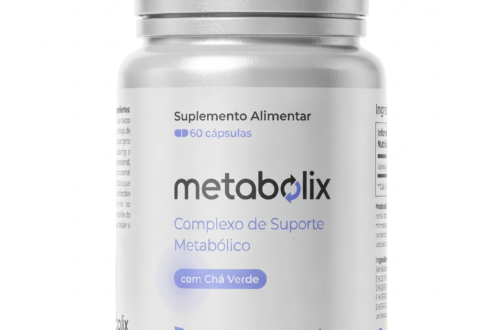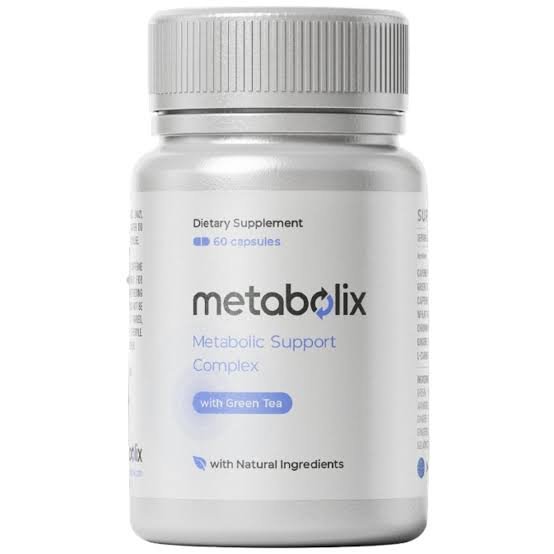
Most people try to fix their health and fitness one piece at a time. They sign up for a high-intensity workout class, buy a tub of protein powder on impulse, and scroll through conflicting meal advice between meetings. After six weeks of sore joints, grocery fatigue, and stalled progress, the routine usually falls apart.
Metabolix Fitness & Nutrition approaches that bottleneck from a different angle. Instead of treating exercise, daily eating habits, and dietary supplements as separate aisles, the brand pairs structured training programs with nutrition guidance and targeted supplementation under one roof.
For anyone comparing all-in-one fitness platforms, the central question is practical rather than theoretical: does bundling workouts, meal structure, and supplements create real consistency, or does it simply repackage advice you could piece together on your own?
What Is Metabolix Fitness & Nutrition?
Metabolix Fitness & Nutrition is a multi-part fitness and sports nutrition offering built around three pillars: tailored training plans, practical nutrition coaching/guidance, and formulated supplements. Rather than focusing solely on marathon runners or competitive bodybuilders, the model targets everyday lifters, busy professionals, and active adults who want a clear system connecting gym work to kitchen habits and recovery.
Because the prompt does not supply a specific official URL or a single published ingredient label for a fixed SKU, this editorial evaluation examines how an integrated training, nutrition, and supplement model like Metabolix Fitness & Nutrition operates in practice—including what to verify directly on the brand’s current program pages and supplement fact panels before buying.
A structured grain, vegetable, and seed bowl illustrates the core nutritional idea behind pairing daily meals with regular resistance and conditioning work: steady energy, adequate protein, and micronutrients that hold up across busy weeks.
Core Pillars of the Model
-
Tailored training programs: Workouts organized around progression, movement quality, and clear weekly schedules rather than random high-exhaustion circuits.
-
Nutrition guidance: Practical frameworks for calories, protein intake, meal timing, and whole-food habits that fit real schedules.
-
Supplements: Targeted products intended to fill dietary gaps, support workout performance, or aid recovery—never to replace whole food or consistent training.
How Does It Work?
Any fitness system succeeds or fails in the gap between good intentions on Sunday night and low energy on Wednesday afternoon. An integrated program works by linking stimulus, fuel, and recovery so each part reinforces the next.
1. Training Stimulus and Progressive Overload
Effective training requires giving muscles and cardiovascular systems a clear reason to adapt over time. In a structured program, exercises are selected around major movement patterns—squatting, hinging, pushing, pulling, carrying, and aerobic or interval conditioning—and adjusted gradually as strength and stamina improve.
Good programming leaves room for recovery. Constant all-out effort often leads to nagging aches, poor sleep, and burnout before habits stick.
2. Nutrition as the Daily Fuel Line
Workouts create the signal for change, while daily nutrition supplies the raw materials. Without enough protein, calories, fluids, and micronutrients, strength gains stall and fatigue lingers even if your gym attendance is spotless.
Practical nutrition guidance translates abstract targets into repeatable meals. Instead of extreme elimination rules that collapse at the first dinner out, sustainable plans focus on consistent protein distribution, fiber-rich whole foods, hydration, and realistic portion habits.
3. Where Supplements Fit In
Supplements sit at the top of the pyramid, not the foundation. When a formula is well-chosen and transparently dosed, it can make daily routines easier—such as hitting protein targets after training or supporting specific athletic demands—while leaving core nutrition and training in charge.
Metabolix Ingredients, Features, and Program Components Breakdown
Because no specific supplement label or proprietary formula list was provided in the prompt, exact ingredient names, serving sizes, and third-party testing badges must be checked directly on each product’s Supplement Facts panel. Still, evaluating a fitness and nutrition system comes down to inspecting both its program features and its supplement formulation standards.
Program Features to Evaluate
-
Customization and onboarding: Does the training plan adapt to your starting fitness level, available equipment (home dumbbells vs. full gym), injury history, and weekly time budget?
-
Progression structure: Are workouts organized into clear blocks or weeks with defined sets, reps, rest intervals, and progression cues?
-
Nutrition clarity: Does the guidance explain how to adjust intake for fat loss, maintenance, or muscle building without rigid, unsustainable rules?
-
Support and tracking: Are there practical tools to log workouts, check adherence, and troubleshoot plateaus?
Supplement Label Standards to Check
When reviewing any supplement sold alongside a fitness program, look closely at how the formula is presented:
-
Transparent Supplement Facts panel: Every active ingredient and its exact amount per serving should be clearly listed, rather than hidden inside vague proprietary blends.
-
Evidence-aligned purpose: Ingredients should match a clear role—such as protein support, hydration, or performance—with realistic expectations rather than exaggerated promises.
-
Quality and purity verification: Look for clear manufacturing standards, allergen disclosures, and independent third-party testing where available.
-
Caffeine and stimulant disclosure: If a pre-workout or energy product is part of the lineup, check exact stimulant amounts and avoid taking high-caffeine formulas late in the day.
Benefits and Practical Use Cases
Bringing workouts, eating habits, and supplements into one cohesive plan solves a common problem: decision fatigue. When you do not have to piece together conflicting advice from five different sources, it is easier to focus on execution.
Realistic Day-to-Day Use Cases
-
Busy professionals restarting a routine: Someone returning to exercise after months at a desk benefits from a clear weekly workout calendar paired with simple high-protein meal ideas rather than guessing every day.
-
lifters hitting a consistency wall: People who lift hard on and off often struggle with erratic eating or skipped recovery; pairing structured sessions with steady nutrition helps smooth out progress.
-
Active adults managing body composition: Balancing resistance training, walking or conditioning, and sensible protein and calorie habits supports strength retention while changing body composition.
-
Athletes or gym-goers streamlining daily prep: Having training, meal structure, and convenient supplements aligned reduces friction during busy training blocks.
Who Should Use It—and Who Should Think Twice?
No single program fits everyone equally. Matching the approach to your current habits and health status saves time and frustration.
Likely a Good Fit
-
Adults looking for an organized system that connects workouts, daily food choices, and optional supplements.
-
Beginners or intermediates who want clear structure instead of piecing together random routines online.
-
People who prefer a steady, sustainable pace over extreme crash diets or punishing two-hour workouts.
When to Pause or Consult a Professional
-
Anyone with an existing medical condition, cardiovascular concern, metabolic disorder, or prescription medication schedule should speak with a qualified healthcare provider before starting a new intense exercise regimen or taking dietary supplements.
-
Pregnant or nursing individuals and anyone under 18 should review any supplement product with a doctor or pharmacist first.
-
People with a history of disordered eating may do better working with a registered dietitian or healthcare specialist rather than structured calorie or physique programs.
Safety, Side Effects, and Precautions
Even well-designed training programs and everyday supplements carry practical precautions worth keeping in mind.
Training Precautions
-
Gradual ramp-up: Jumping straight into high volume or heavy loads after time off increases muscle soreness and strain risk. Warm up properly, prioritize clean form, and build volume gradually.
-
Pain versus normal soreness: Mild muscle stiffness after a new workout is normal; sharp joint pain, pinching, or pain that worsens as you warm up is a signal to modify the movement and get evaluated.
-
Sleep and recovery: Training stress only turns into fitness gains when paired with adequate sleep, hydration, and rest days.
Supplement Precautions
-
Digestive sensitivity: Protein powders, concentrated minerals, or performance ingredients can occasionally cause bloating, cramping, or stomach upset—especially when taken in large amounts or on an empty stomach.
-
Stimulants and sleep: Any formula containing caffeine or other stimulants can affect heart rate, jitters, or sleep quality, particularly for caffeine-sensitive individuals or afternoon/evening workouts.
-
Check label details: Always read full ingredient lists for allergens (such as dairy, soy, tree nuts, or gluten) and verify exact serving sizes before use.
Pros and Cons
A clear-eyed look at an integrated fitness and nutrition model highlights where it helps most—and where its trade-offs lie.
Pros
-
Cohesive approach: Connects training, nutrition, and supplements instead of treating them as isolated habits.
-
Lower decision friction: Having a clear plan reduces daily guesswork around what to do in the gym and how to structure meals.
-
Scalable habits: Works well when focused on progressive training, adequate protein, and consistent sleep.
Cons
-
Bundled cost: Paying for structured programs plus supplements can cost more over time than basic workouts and grocery staples alone.
-
Requires personal follow-through: Even the best program cannot lift weights, prep meals, or get sleep on your behalf.
-
Label verification needed: Without a published Supplement Facts panel in front of you, exact ingredient amounts and testing claims must be verified directly from the source.
Customer Feedback: What to Look For in Real Reviews
Because unverified ratings or invented customer testimonials have no place in serious product research, the most reliable way to evaluate user feedback on any fitness and nutrition brand is to read independent customer reviews across multiple channels and look for consistent patterns.
When scanning real feedback, pay attention to:
-
Clarity of onboarding and coaching: Do users find the workouts easy to follow with their actual equipment and schedule?
-
Sustainability of the nutrition plan: Can people stick to the meal guidance during travel, work deadlines, and social events?
-
Supplement mixability, taste, and tolerance: Are powders easy to mix without digestive issues, and do labels match expectations?
-
Billing, cancellations, and customer service: Are subscription terms transparent, and how responsive is support if someone needs help?
Comparison with Alternatives
How does an integrated training, nutrition, and supplement model stack up against other common ways people pursue fitness?
| Option | Strength | Main Limitation | Best For |
| Integrated system (training + nutrition + supplements) | Aligns workouts, food habits, and optional supplements in one plan | Can cost more; requires checking exact supplement labels | People wanting an all-in-one structure |
| Standalone workout app or program | Focused exercise programming at low or moderate cost | Leaves diet and supplementation largely up to you | Self-directed lifters with solid food habits |
| 1-on-1 personal trainer or dietitian | High personal accountability and individual tailoring | Higher ongoing cost and scheduling constraints | Specific medical, rehab, or high-touch needs |
| DIY routine (free guides + basic groceries/supplements) | Lowest cost and maximum flexibility | High trial-and-error and information overload | Experienced, self-motivated planners |
Pricing, Refund, and Guarantee Policies
Pricing structures, bundle discounts, recurring billing terms, and refund or satisfaction guarantees vary by brand and can change over time. Before committing to any program or supplement order:
-
Check total cost vs. recurring billing: Confirm whether a plan is a one-time purchase, a monthly subscription, or an auto-ship supplement arrangement.
-
Read refund windows carefully: Look for clear details on how many days you have to request a refund, whether opened vs. unopened supplement containers are eligible, and who covers return shipping.
-
Watch for trial terms: If an introductory offer or trial period is available, note when standard billing starts and how to cancel before renewal.
Frequently Asked Questions
-
What does Metabolix Fitness & Nutrition focus on?
It centers on combining tailored training programs, practical nutrition advice, and supplements so workouts, daily meals, and recovery support one another rather than competing for attention.
-
Do I need supplements to see results from a fitness and nutrition program?
No. Consistent resistance and conditioning workouts, sufficient daily protein, balanced whole foods, sleep, and hydration drive the vast majority of results. Supplements are optional tools to add convenience or fill specific gaps.
-
How long does it take to notice changes from a structured training and nutrition plan?
Energy, workout familiarity, and routine consistency often improve within a few weeks, while measurable changes in strength, endurance, and body composition typically take several weeks to a few months of steady adherence.
-
Can beginners follow a tailored fitness and nutrition program?
Yes, provided the workouts start at an appropriate baseline, prioritize technique and gradual progression, and pair exercise with realistic, non-extreme eating habits.
-
What should I check on a supplement label before buying?
Check the Supplement Facts panel for exact ingredient amounts, clear serving sizes, allergen warnings, stimulant content (if any), and quality or third-party testing details, and consult a healthcare professional if you take medications or have health conditions.
Final Verdict
Metabolix Fitness & Nutrition reflects a sensible premise: lasting progress comes from aligning how you train, how you eat, and how you recover rather than chasing isolated quick fixes. A strong training plan without supportive nutrition stalls quickly, and good nutrition without progressive physical challenge leaves strength and conditioning on the table.
If you decide to explore the brand, keep the focus grounded in fundamentals. Verify exact program details, billing terms, and supplement labels directly with the source, check with a healthcare professional when personal health factors apply, and judge the system by a simple standard: does it help you train consistently and eat well month after month?